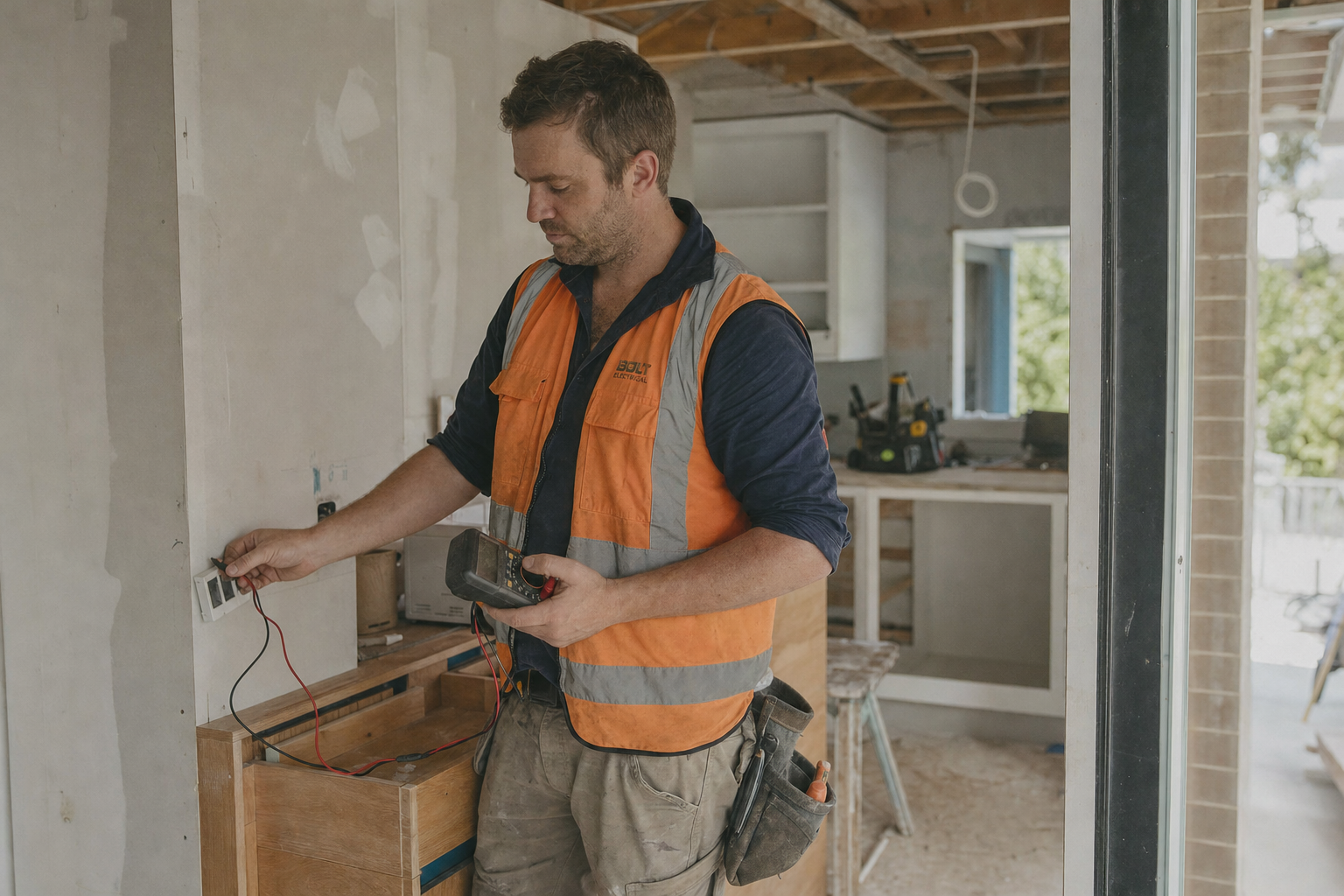
Can an Employed Tradie Claim a Deduction for Tools and Equipment?
Employed tradies can claim a deduction for the work-related portion of tools and equipment they paid for and were not reimbursed, subject to specific rules. Sole traders follow different business rules and should not apply employee thresholds.
Eligibility Rules for Employees
Employees must satisfy the usual tests: you spent the money yourself, you were not reimbursed, and the expense is directly related to earning your employment income. Items costing $300 or less may qualify for an immediate deduction if used mainly to earn employment income, and if the item is not part of a set (or a group of identical items) that together cost more than $300. Higher-cost items, and sets that together cost more than $300, are claimed via decline in value over the asset’s effective life. Apportion for any private use and exclude employer-supplied or purely private items.
Source: Tools and equipment to perform your work.
Employee Rules Versus Sole Trader Rules
Employees use the $300 immediate-deduction threshold and decline-in-value calculations. Sole traders and small businesses may use the instant asset write-off (less than $20,000 per asset for eligible small businesses in 2025–26 and 2026–27) and the small business pool. Do not apply business write-off thresholds to employees.
Sources: Instant asset write-off for eligible businesses and $20,000 instant asset write-off.
Important for 2026–27: the $1,000 standard deduction
From the 2026–27 income year, eligible workers automatically receive a standard deduction of up to $1,000 for work-related expenses without needing to have spent the money or kept records for that amount. Claiming covered work-related expenses (including tools costing $300 or less, and decline-in-value claims on assets used to earn employment income) reduces that standard deduction dollar for dollar.
Practical takeaway: claiming tool deductions only improves your position when your total covered work-related expenses for the year are more than $1,000. If they are $1,000 or less, taking the automatic standard deduction is simpler and gives the same or a better result.
Source: Standard deduction for work-related expenses.
Record-Keeping Requirements
Keep written evidence such as receipts showing supplier, date, amount and description. Maintain a usage diary or log to calculate work-use percentage. Prepare a depreciation schedule for decline-in-value claims. Retain records for five years from the date you lodge your return (or five years from your last decline-in-value claim for that asset). The myDeductions tool in the ATO app, and digital photos or scans, are accepted.
From 1 July 2026, the old exceptions that let you skip full written evidence for total work-related claims of $300 or less (and the $150 laundry exception) no longer apply. If you claim more than your standard deduction, you need written evidence for the work expenses you claim.
Source: Records you need to keep.
Exclusions and Common Pitfalls
Do not claim reimbursed or employer-provided items. Avoid claiming full amounts for mixed-use items without apportionment. Treat sets that together cost more than $300 as a single depreciating asset (decline in value), not as separate immediate deductions.
Worked Example for 2026–27 Income Year
An employed electrician buys, on 1 July 2026 (so held for the full income year): a $280 multimeter used 90% for work, and a $450 drill set used 80% for work.
- The multimeter costs $300 or less, is not part of a set over $300, and is used mainly for work, so it qualifies for an immediate deduction after apportionment: $280 × 0.9 = $252.
- The drill set costs more than $300, so it uses decline in value. Using the diminishing-value method with a five-year effective life for electric hand tools (rate = 200% ÷ 5 = 40%): $450 × 40% × 0.8 = $144 for the first year.
Total tool-related deduction = $396.
At the 2026–27 marginal income tax rate of 30% on income between $45,001 and $135,000, that $396 deduction saves about $119 in income tax. Including the 2% Medicare levy, the combined saving is about $127. A deduction reduces taxable income; it is not a dollar-for-dollar refund.
Because $396 is below the $1,000 standard deduction, claiming only these tools would simply replace part of the automatic $1,000. The claim only adds extra tax saving if other covered work expenses already push the total above $1,000.
Sources: Tools and equipment, Prime cost and diminishing value methods, Tax rates – Australian resident (2026–27).
Useful Records Checklist
- Receipt checklist: supplier name, date, amount, description.
- Calculate and document work-use percentage with a diary.
- Refer to ATO depreciation tools for decline-in-value calculations.
- Decide whether total covered work expenses will exceed $1,000 before choosing to claim itemised tools.
Relevant ATO Primary Sources
- Tools and equipment to perform your work
- Tradesperson – income and work-related deductions
- Tradies – be certain about what you can claim
- Depreciating assets you use for work
- Standard deduction for work-related expenses
- Records you need to keep
Estimate your overall tax position with the Australia 2025–26 individual tax calculator (use 2026–27 rates from the ATO when comparing, until a dedicated 2026–27 calculator page is live).